
A vapor recovery unit that trips its breaker every time it starts is telling you something specific: the highest electrical stress moment of the whole cycle is where the fault lives. Start-up is when the motor draws its biggest current, when mechanical parts turn for the first time since the last run, and when a control fault has its first chance to act. Repeatedly resetting the breaker without finding the cause does not fix anything; each reset is another hard start on a system that already objected. The fault behind the trip is nearly always on a short list.
What Start-Up Actually Asks of the System
In the first seconds of a start, the motor draws inrush current several times its running value while the pump accelerates from rest. Any added friction in the pump, a stiff bearing, a jammed vane or a liquid-filled casing, raises that demand further. Meanwhile the control circuit energizes, and a wiring fault, a failed sensor or a tripped internal protection can interrupt the coil in ways that mimic a power problem. The breaker responds to the total, so the first diagnostic question is always the same: did it trip instantly, or after a few seconds of running?
The Usual Culprits, in Checking Order
A disciplined sequence finds most start-up trips without special instruments, and the order below runs from most likely to least intrusive.
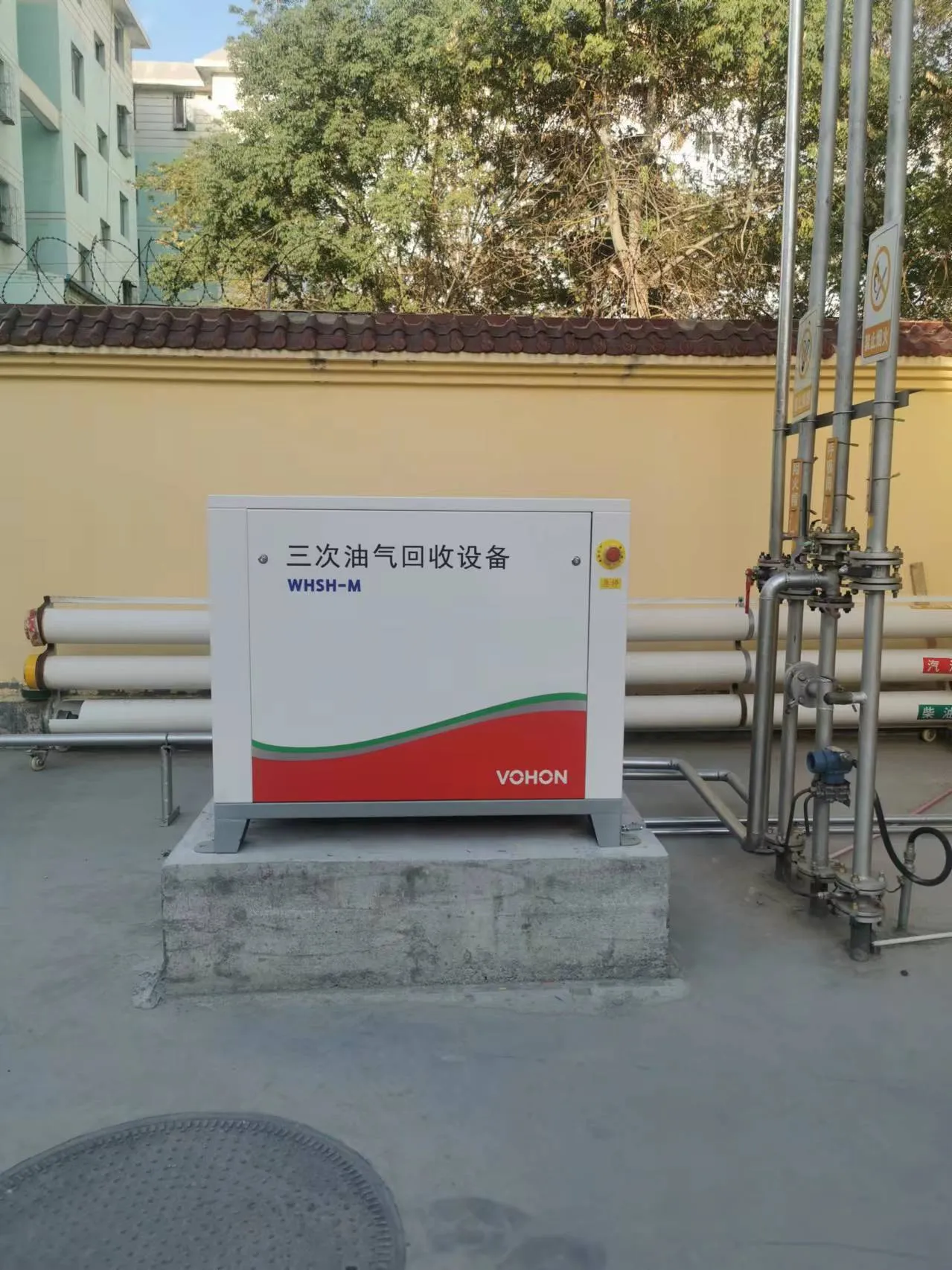
- Confirm what tripped: the main breaker, a motor protection device, or a control fuse, since each points to a different family of causes.
- Turn the pump by hand where the design allows, feeling for binding, grinding or fluid lock that would overload the motor at start.
- Check for liquid sitting in the pump or vapor line from a previous stop, which can load the motor beyond its start capability.
- Inspect the motor protection settings, because a device set too tight trips on every legitimate start.
- Look at the control circuit, connectors and sensors for damage or moisture that interrupts the start signal.
- If everything above is clean, measure the electrical values at start with proper instruments and compare them with the commissioning record.
Instant Trips Versus Delayed Trips
The timing of the trip narrows the search more than any single measurement. An instant trip on the main breaker suggests a short circuit or a severely locked rotor, and the system should stay off until that is found. A trip after a few seconds of running points to overload: mechanical binding, a pump working against a closed or blocked path, or a protection device set marginally low. A trip that happens at the same moment every time, at a specific point in the start sequence, is usually a control issue rather than a power one. Writing down the timing turns a frustrating mystery into a short list.
Comparing the Common Causes
| Cause | Typical signature | Resolution |
|---|---|---|
| Liquid locked pump | Trip within seconds, pump heavy to turn | Drain per procedure, correct the upstream carryover source |
| Mechanical binding | Stiff manual rotation, noise on start attempts | Service the pump, replace worn bearing parts |
| Protection set too tight | Trips on every start even when smooth | Reset to the documented start current values |
| Control circuit fault | Trip at the same sequence point every time | Trace the circuit, replace the failed component |
When to Stop Resetting and Call for Service
One unexplained trip after a long idle period can be a one-off, and a single careful restart is reasonable. A second trip on the same start is a pattern, and patterns mean the cause has not been found. Continuing to reset risks turning an overload into a burned motor or a control fault into a damaged board, and it trains staff to treat a protective device as an inconvenience. The responsible rule is simple: two trips, one investigation, and the unit stays down until someone with the documentation and instruments has looked at the short list above.
Prevention Between Incidents
Most start-up trips trace back to conditions that develop while the unit sits idle. Draining procedures followed or skipped, pump rotation exercised or forgotten, cabinets sealed against moisture or not. Stations that add a short pre-start routine, visual check, manual pump rotation where allowed, and a glance at the protection settings, find their units start cleanly after even long stops. The breaker exists to protect the machine; the routine exists so the breaker rarely has to.
Is it safe to restart once after a trip?
One careful restart after a visual inspection is reasonable, especially after a long shutdown. A repeated trip is not a restart situation; it is an investigation, and continuing to reset risks real damage.
Can cold weather cause breaker trips at start?
Cold conditions stiffen lubricants and raise start current, which can push a marginal protection setting over its limit. If trips only occur on cold mornings, the settings and the mechanical condition both deserve a look.
Who should open the electrical cabinet?
Qualified electrical staff only. Operators contribute most by recording which device tripped and when, which shortens the service visit and points the electrician toward the right family of causes.
Luoyang Wohong Petrochemical Equipment Co., Ltd. manufactures vapor recovery units and supports station operators with start-up troubleshooting and service documentation.