
Liquid should never appear in the permeate line of a membrane vapor recovery unit in any quantity worth noticing. The permeate side exists to carry away the vapor that passed through the membrane; if liquid arrives there too, it came from somewhere it should not have been. Treat the symptom as a message about the upstream half of the system. The good news is that the source is almost always one of a few familiar places, and a structured check finds it before the modules suffer real harm.
Why Liquid on the Permeate Side Matters
Membrane modules are built to see vapor. Liquid contacting the selective layer wets the surface, temporarily changes its separation behavior, and in repeated or heavy exposure contributes to long-term performance loss. Liquid in the permeate line also plays havoc with the vacuum side of the system, because a vacuum pump moving liquid works far outside its comfort zone. A wet permeate line is therefore not a curiosity to note in the log; it is an early warning with a clock attached, and the response should start the same day.
Where the Liquid Comes From
Four sources cover nearly every case, and checking them in sequence sorts the problem quickly.
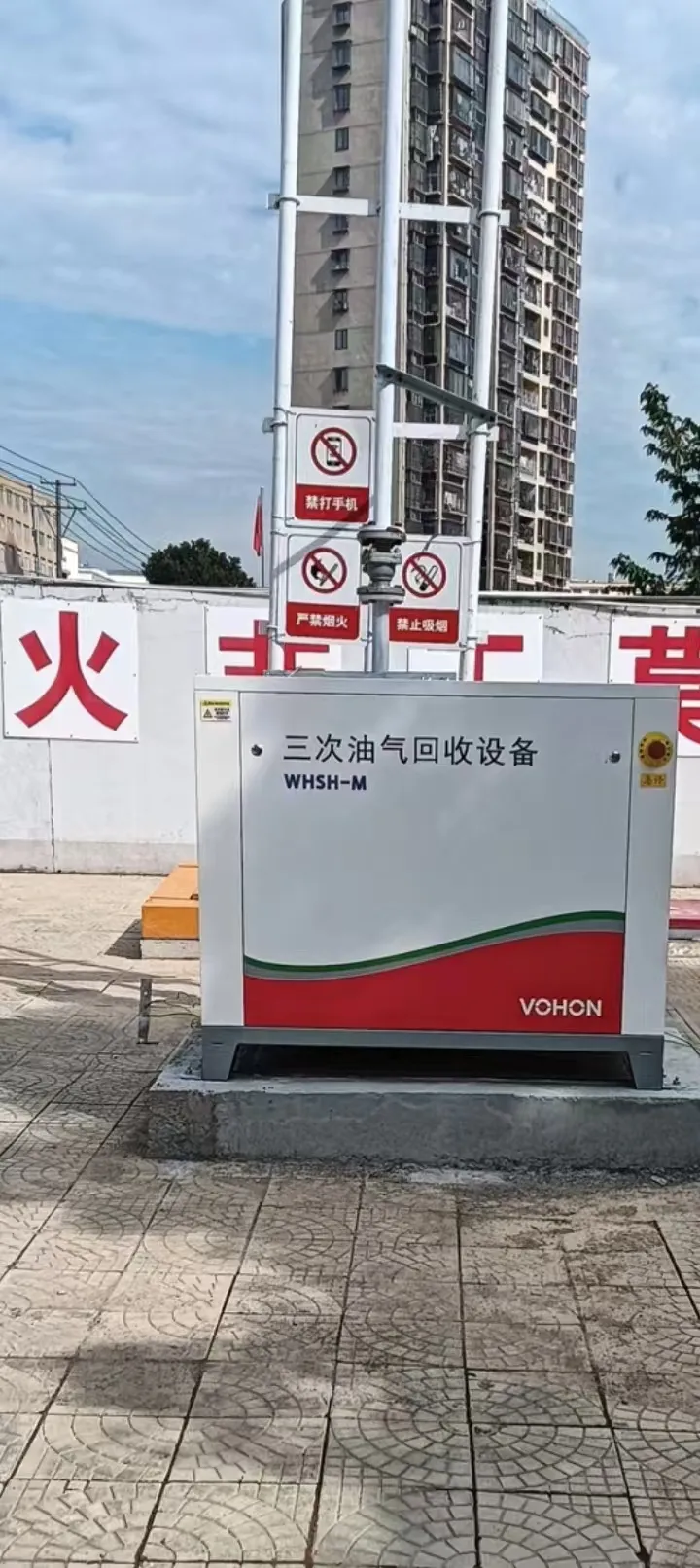
- Carryover from the inlet knockout stage, where a full vessel, a stuck drain or a missed service let liquid ride the vapor stream toward the modules.
- Condensation inside the module and permeate piping, formed when warm vapor meets cool surfaces during part-load operation or after shutdown.
- Drain routing errors, where a condensate line cross-connected or a missing trap lets liquid migrate into the permeate path.
- A permeate side vacuum pump or ejector that was never meant to handle liquid, now being asked to by one of the above.
Quick Checks That Narrow the Source
The fastest diagnostic is timing. Liquid only during unloading points to carryover from the inlet side, since that is when the stream runs richest and fastest. Liquid present even when the unit idles points to condensation or drain routing, which persist regardless of duty. Checking the knockout vessel level and its drain operation comes next, because that stage handles the bulk of any liquid and is the most common offender. A short look at piping drawings for cross-connections and traps finishes the picture, and the table below maps findings to responses.
| Finding | Most likely source | First response |
|---|---|---|
| Liquid only during unloading | Inlet carryover past the knockout stage | Service the knockout drain and verify level control |
| Liquid at idle, mornings | Condensation after cooling | Verify permeate low-point drains and insulation |
| Liquid after recent work | Drain routing changed or trap missing | Compare piping against drawings and restore routing |
| Steady liquid at all times | Knockout stage bypassed or failed | Take the unit offline and inspect the inlet stage |
Protecting the Modules While You Work
Until the source is fixed, the modules need a shield. Reduce duty where the control system allows, since less flow means less liquid arriving. Confirm that any module inlet protection the design includes, such as a demister or a guard stage, is in place and serviceable. Note the exposure in the unit record with dates and estimated duration, because if separation performance drifts later, that history tells the service team whether the modules saw liquid and for how long. Modules are the expensive part of the system; a day of attention here protects that investment.
After the Fix: Proving the Line Stays Dry
Once the correction is made, verify rather than assume. Open the permeate low points after a few unloading cycles and confirm they run dry. Trend the vacuum side readings against the pre-fault record to confirm the pump is back in its normal range. Then fold the incident into the maintenance schedule: the knockout stage that caused it, the drains that should have caught it, and the inspection interval that will catch the next one early. A permeate line that stays dry is quiet evidence that the whole upstream chain is doing its job.
Can the modules be damaged by a single liquid event?
A brief, minor exposure usually causes no lasting harm, especially if the unit is returned to dry operation quickly. Repeated or heavy exposure is what shortens module life, which is why the first event deserves a response.
Should the unit be stopped as soon as liquid appears?
If liquid is steady and significant, stop the unit and inspect the inlet stage. Brief traces during one unloading can be managed by reducing duty and checking the knockout stage the same day.
How often should permeate low points be checked?
Add them to the routine service round, and check after any unloading incident that seemed unusually wet. Five minutes at a low-point drain is the cheapest module insurance available.
Luoyang Wohong Petrochemical Equipment Co., Ltd. builds membrane vapor recovery units and supports operators with troubleshooting guidance that protects module performance.