
Vapor recovery planning used to concentrate where the volumes were: large terminals, big highway stations and the biggest city networks. That concentration is loosening. Across more regions, smaller fuel retail networks, independent station groups and mid-size urban sites are bringing vapor recovery into their investment conversations, their station upgrade plans and their discussions with equipment suppliers. This is a trend piece, not a rule book: the picture varies by market, but the direction of travel is consistent enough to plan around.
What Is Pulling Smaller Networks In
Several quiet forces add up. Environmental expectations around fuel retail keep rising, and stations that once saw vapor handling as an optional extra now treat it as part of operating a modern forecourt. Equipment has matured: compact skids, simpler controls and service models built for smaller sites lower the entry barrier that used to keep mid-size stations out. Owner groups with mixed portfolios want consistent standards across all their sites, not two classes of forecourt. And construction economics favor doing vapor infrastructure during planned rebuilds rather than retrofitting later, which pulls the topic into every station upgrade conversation years before it becomes mandatory anywhere.
How the Conversation Changes at This End of the Market
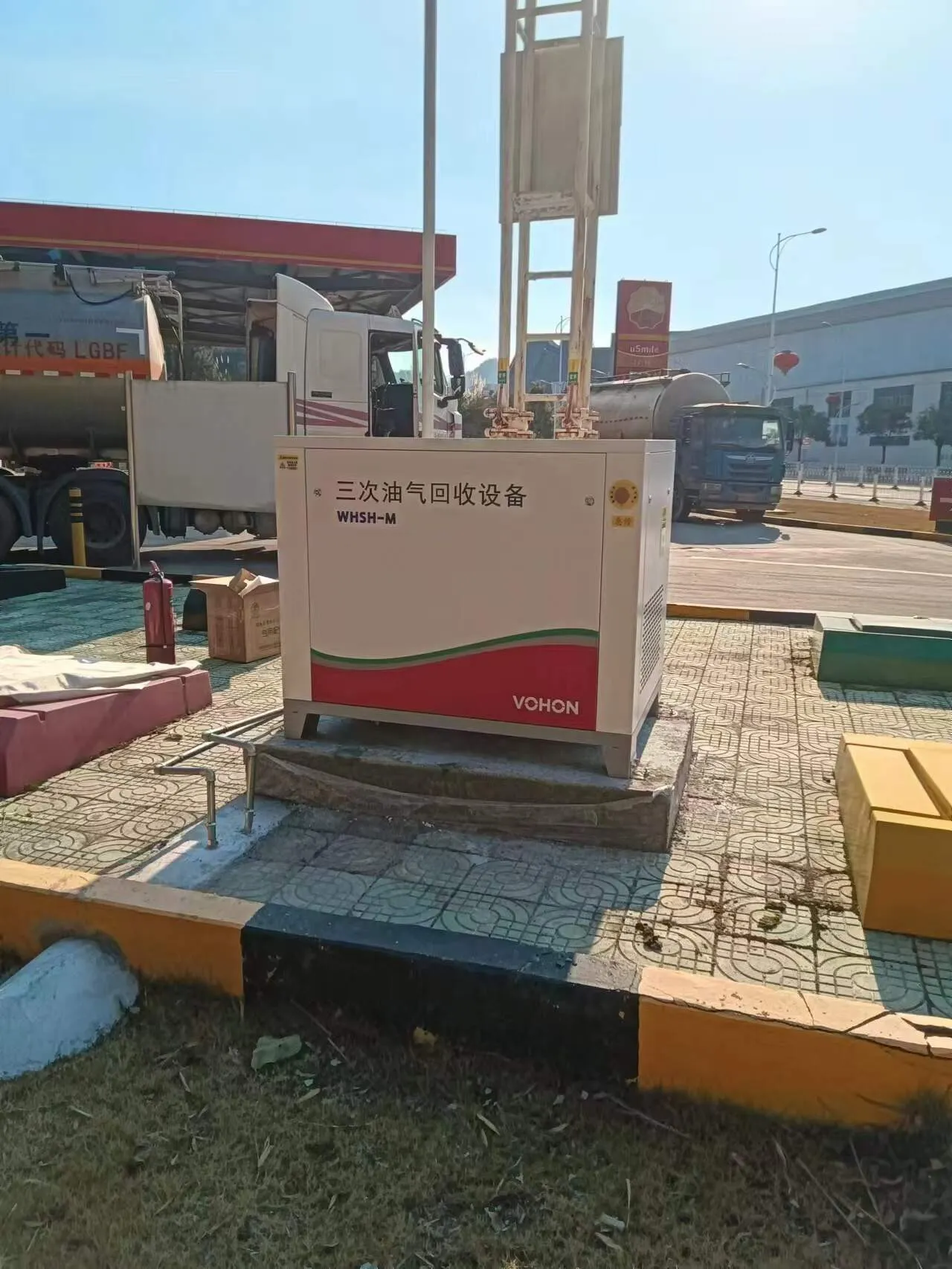
At large terminals, vapor recovery discussions revolve around throughput and engineering depth. At smaller networks, the questions are more practical: which unit size fits a two-island site, how service visits are organized across a scattered region, what the interface with existing dispensers looks like, and how the station team lives with the equipment day to day. Suppliers able to answer those questions plainly, with compact packages and clear service arrangements, are the ones finding traction in this segment.
| Dimension | Large site focus | Smaller network focus |
|---|---|---|
| Equipment format | Full-scale processing capacity | Compact skids matched to site volume |
| Decision driver | Throughput and program deadlines | Simplicity, service reach, upgrade timing |
| Installation | Dedicated engineering window | Folded into planned rebuilds and rebrands |
| Service model | Contracted site teams | Regional service routes across several stations |
| Staff involvement | Specialist operators | Station teams with simple routines |
What This Means for Station Upgrade Planning
For owners of a handful to a few dozen sites, the practical advice circulating in the industry is straightforward: when a station is due for rebuild, resurfacing or a canopy project, make the vapor infrastructure decision in the same project. Trenching, tank zone work and dispenser replacement all touch the same ground as vapor piping, and doing them together is far cheaper than revisiting the forecourt twice. Even where local rules do not yet require equipment, wiring the conduits and routing the vapor paths during a rebuild keeps future options open at almost no cost.
Trends Worth Watching, Without Overclaiming
Three developments look durable from where the industry stands. First, equipment packages keep getting more compact and more standardized, which suits smaller sites. Second, service models are regionalizing: suppliers and contractors are organizing routes that make a five-station group viable for the same support a large network buys. Third, monitoring is simplifying, with station-level dashboards replacing specialist reads, so a two-person office can watch several sites. None of these claims needs specific numbers to be useful; each simply widens the door for networks that previously priced themselves out.
A Sensible Starting Point for a Smaller Group
- List the stations by rebuild schedule rather than by size, because the calendar drives the cheapest entry point.
- For the next planned rebuild, include vapor infrastructure in the scope discussion with the contractor.
- Ask suppliers for compact package options sized to real site volumes, not oversized references.
- Agree a service arrangement before installation, so the first year has a routine instead of improvisation.
- Keep one simple station log per site; consistency across a small network beats sophistication at one site.
Frequently Asked Questions
Is vapor recovery becoming relevant for stations with modest volumes?
The direction of the trend says yes, with timing varying by market. Equipment compactness and bundled upgrade economics are the main reasons smaller sites now enter the conversation.
Should a small network standardize on one unit type?
Standardization simplifies spares, training and service routing, which matters more in small networks than squeezing the last efficiency point per site.
What is the cheapest way to prepare a station that is not upgrading yet?
Include conduits and vapor path routing in the next planned ground work, so a future equipment installation does not need a second trenching project.
Luoyang Wohong Petrochemical Equipment Co., Ltd. offers compact vapor recovery packages and membrane separation solutions suited to smaller fuel retail networks and station upgrade programs.