
When two storage compounds stand close together, the question arrives on every cost review: could both share one vapor recovery line and one unit instead of building two? Sometimes the answer is yes, and the saving is real. Sometimes the answer is yes on paper and expensive in practice. The difference lies in hydraulics, logistics and a handful of operational habits that shared systems quietly demand.
The hydraulic picture changes first
Two compounds feeding one line means the line serves whoever is unloading at the moment, and sometimes both at once. Pressure and flow in the shared header stop belonging to one site; they belong to the combination. A delivery at the near compound sees far less line resistance than one at the far compound, and simultaneous unloading stacks flows the original design may never have sized for. Balancing the two contributions becomes a permanent engineering task, not a commissioning afterthought.
What the shared arrangement demands
| Demand | Why it appears | How teams handle it |
|---|---|---|
| Header balancing | Two sources at different distances feed one unit | Balancing valves and recorded settings |
| Coordinated unloading | Simultaneous drops overload the shared line | Simple scheduling or a flow interlock |
| Clear isolation | Work on one compound must not drag the other down | Isolation points with labels and a permit habit |
| Shared alarm ownership | One unit, two sets of operators watching | One log, one duty roster, no gaps |
| Fair cost sharing | Consumables and power no longer split cleanly | Metered or agreed allocation formula |
Getting a shared system commissioned properly
Shared lines fail most often in their first months, when habits have not formed:
- Balance the header during simultaneous unloading, not just single-source tests, and record every valve setting;
- Agree the unloading coordination rule in writing and brief both crews the same way;
- Test isolation from both directions before the first maintenance window;
- Start one shared log from day one, kept where both crews can reach it;
- Review the first month of data together and adjust balancing before habits harden.
When sharing is a good idea
Sharing suits compounds with modest duty, staggered deliveries and one managing owner who can enforce coordination. It struggles where the two sites answer to different companies, where deliveries cluster at the same hours or where one compound runs far harder than the other, because the quiet partner subsidizes the busy one and the busy one resents being throttled by the shared line. The equipment itself, whether membrane or condensation based, rarely cares; the organization around it usually does.
The recovery equipment view
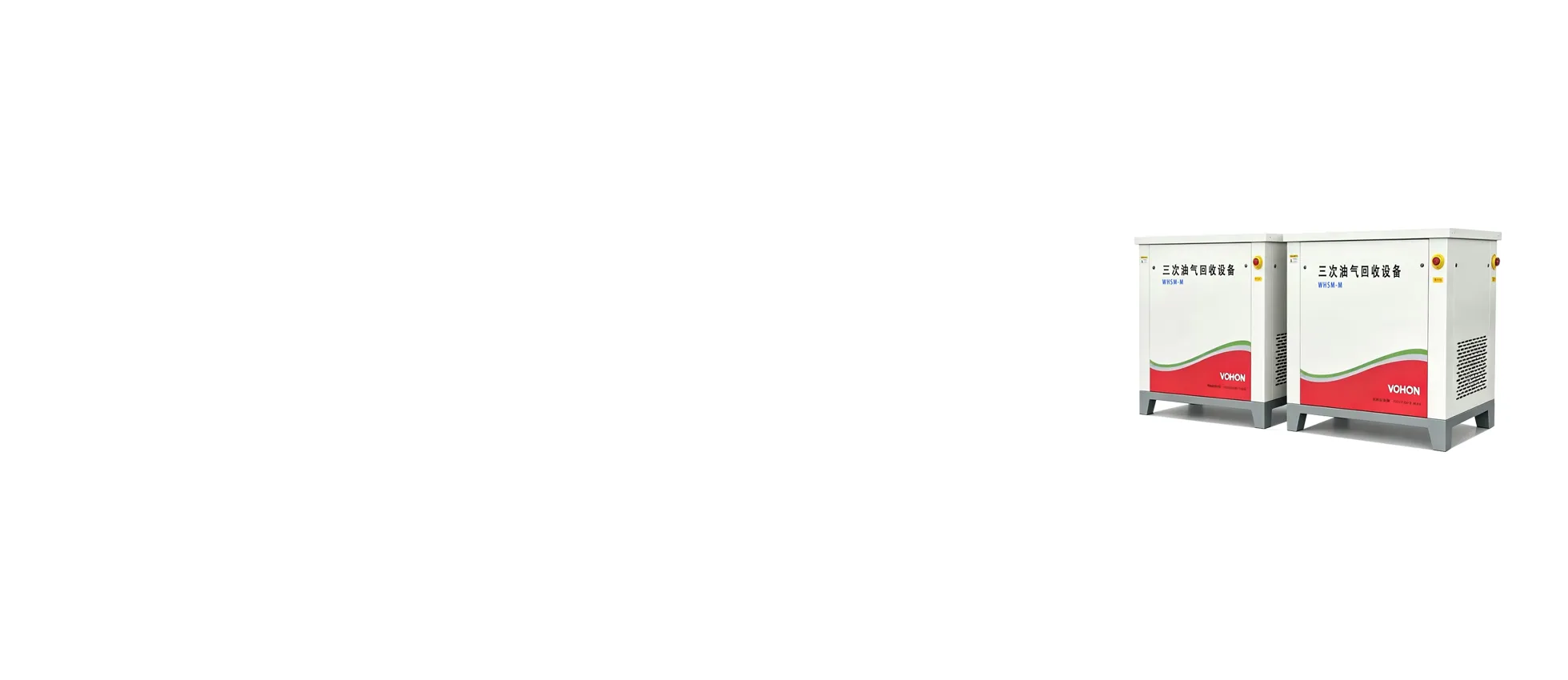
A unit serving two compounds sees a more varied diet than a dedicated one: wider flow swings, mixed vapor composition if the products differ and occasional double-duty events. Modern membrane skids tolerate this well when the upstream separation is generous, but the selection conversation should state the shared duty explicitly. A unit sized for the arithmetic average of two compounds will meet their sum on the first day both unload together.
Frequently asked questions
Does sharing one unit save enough to justify the complexity?
Where duty is moderate and coordination is enforceable, the saving in equipment, enclosures and utilities is real and recurring. Where either condition fails, the coordination overhead quietly consumes the saving. The honest assessment puts a price on management effort, not just capital.
Can the two compounds keep separate accounting for recovery?
Yes, with either flow metering on each branch or an agreed allocation based on throughput records. Perfect attribution is impossible in a shared header, so the workable approach is a formula both parties accept, written down before the first invoice arrives.
What is the most common failure of shared vapor systems?
Not hydraulics but ownership drift: the shared log stops being kept, one crew changes a balancing valve without recording it and performance wanders without a cause. Systems that survive share one thing, which is a named person responsible for the whole line, from tank to stack.
Luoyang Wohong Petrochemical Equipment Co., Ltd. designs and manufactures vapor recovery units, membrane separation skids and condensers for fuel depots, terminals and retail sites. Contact us for duty assessment and equipment selection support.