
A quiet line is appearing in terminal investment plans for 2027: vapor recovery for the rail loading gantry. Rail moved fuel for decades with open venting and little ceremony, but that chapter is closing. New terminal projects name vapor systems in their base design, and older rail served depots are adding them as their next capital item. The planning horizon is long, which makes this the year to influence how those budgets are written.
Why rail enters the vapor conversation now
Three forces converge. Regulation is extending to rail loading in the regions that already cover road and marine movements. Rail volumes are growing where fuel distribution consolidates into fewer, larger hubs, and those hubs load at scales that make vapor loss visible on the ledger. And the equipment market has matured: packages sized for gantry duty are standard products now, not custom engineering exercises, which shortens the confidence gap for buyers.
What rail duty demands of a system
| Duty feature | What it means for equipment | Budget implication |
|---|---|---|
| Long train loading windows | Steady flow for hours rather than short bursts | Right sized skid with efficient steady state operation |
| Many cars in sequence | Consistent vapor return across the whole string | Collection piping sized for the full gantry, not one bay |
| Seasonal schedule swings | Quiet months and peak months | Turn down capability that protects low season efficiency |
| Shared terminal space | Compact skid footprint and safe access | Layout engineering before purchase, not after |
How early buyers are preparing
The terminals writing sensible 2027 budgets are not waiting for the year itself. The preparation pattern is consistent:
- Run a vapor survey of the gantry this year, capturing loading volumes, collection routes and available space;
- Define the specification against the busiest season, then verify turn down for the quiet one;
- Engage suppliers while drawings are soft, so skid layout can fit the terminal instead of fighting it;
- Sequence the shutdown windows for installation into next year operating calendar;
- Reserve commissioning support and spares in the same budget, because the first month of operation sets the pattern.
What the 2027 wave will reward
Budgets written now shape projects delivered later, and the difference between a smooth rail vapor project and a painful one is almost always preparation. Terminals that survey early buy equipment that fits; terminals that buy first and survey later buy space problems. Suppliers see the same pattern from their side: the projects that run cleanly are the ones where the buyer arrived with numbers, drawings and a shutdown plan rather than with urgency.
A market with room to learn
Rail vapor recovery is still early enough that the first movers will define local practice: documentation formats, acceptance testing habits, maintenance rhythms. That is good news for buyers planning in 2026. Watching the first completed rail projects, borrowing their commissioning checklists and alarm philosophies, and building those into the 2027 specification costs nothing now and saves a revision cycle later.
Frequently asked questions
Why plan a year ahead for a vapor recovery unit?
Rail terminals cannot pause loading easily, so installation windows are scarce and must be reserved early. A year also leaves room for the survey, layout engineering and delivery lead time to happen without compressing any of them, which is where budgets otherwise inflate.
Is rail loading harder to equip than truck racks?
The equipment is comparable; the layout question is bigger. A gantry serves many cars in sequence, so collection piping and unit sizing follow the whole string rather than one bay. That makes early survey work more valuable, not the technology itself more difficult.
What should the 2027 budget line include?
The skid and collection work, certainly, but also commissioning support, operator training, spare parts for the first year and the shutdown windows in the operating plan. Projects that budget the whole first year of operation start calm, and calm starts are what the numbers later reward.
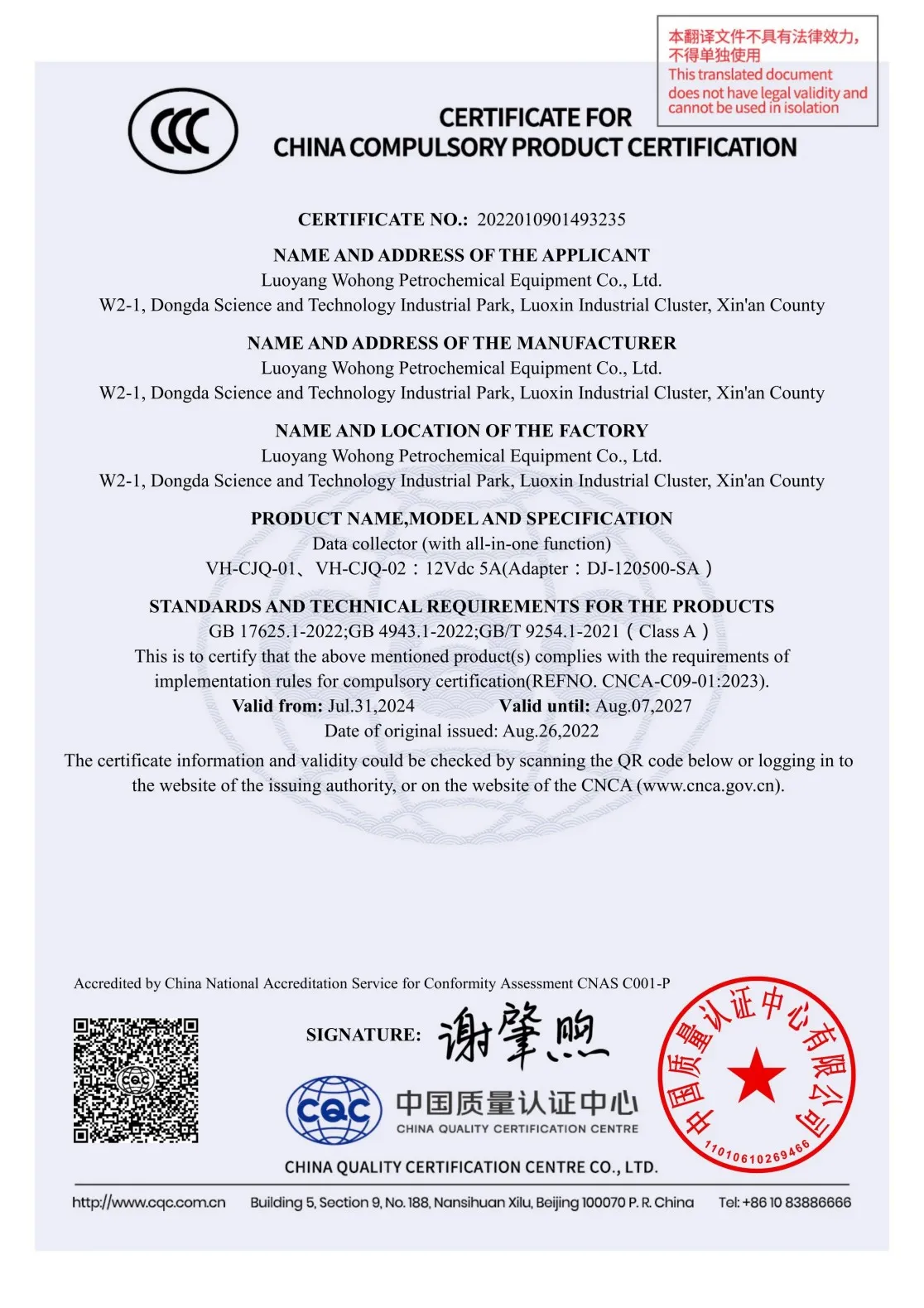
Luoyang Wohong Petrochemical Equipment Co., Ltd. builds vapor recovery and membrane separation packages for fuel terminals, depots and gas stations. Contact us for system sizing, configuration advice and spare parts support.