
Gasoline vapor never travels alone. Whatever the tank headspace breathes out also carries water vapor picked up from the tank ullage, and that humidity changes the working conditions inside a membrane vapor recovery unit. The membrane separates by molecular size and affinity, so a stream that is wetter behaves differently from a dry one: the permeate side loads up, local condensation becomes more likely, and winter operation adds drain behavior to the list. Understanding this moisture side of the stream keeps the membrane stage predictable instead of surprising.
Where the Water Vapor Comes From
Every tanker delivery pushes vapor back into storage tanks, and every tank contains air with moisture that condenses overnight and evaporates again during the day. Temperature swings pump this cycle daily, so the headspace gas arriving at the unit carries variable water content: high after warm days over cool liquid, lower in dry winter conditions. Rain-wetted tank surfaces, high groundwater around the tank zone and frequent deliveries all push the same direction. The unit cannot choose its feed; it must process whatever the station breathes out.
How Humidity Changes Membrane Behavior
Membrane stages prefer to see vapor, not mist. When the feed is humid but still a true vapor, the membrane passes the small, polar water molecules readily alongside hydrocarbons, so the permeate side becomes wetter and its dew point rises. The separation itself still works, but three practical effects follow:
- The permeate stream carries more condensable load, so the vacuum side sees droplets forming earlier in cold spots.
- Selectivity shifts slightly, because water competes for passage and changes the composition mix on the permeate side.
- Any liquid reaching the membrane faces a wetter, stickier film, which is why upstream liquid separation matters more in humid climates.
None of this is a fault; it is the design envelope. The unit is built for it, provided liquid is kept out and the permeate side has somewhere for its condensate to go.
Dry Feed Versus Humid Feed at a Glance
| Condition | Dry feed | Humid feed |
|---|---|---|
| Permeate dew point | Lower, stays vapor longer | Rises, condenses earlier in cold spots |
| Membrane selectivity | Stable baseline | Shifts modestly with water content |
| Drain activity | Occasional | Frequent, needs clear drain path |
| Watch point | Normal service rhythm | Liquid separation upstream and permeate drain condition |
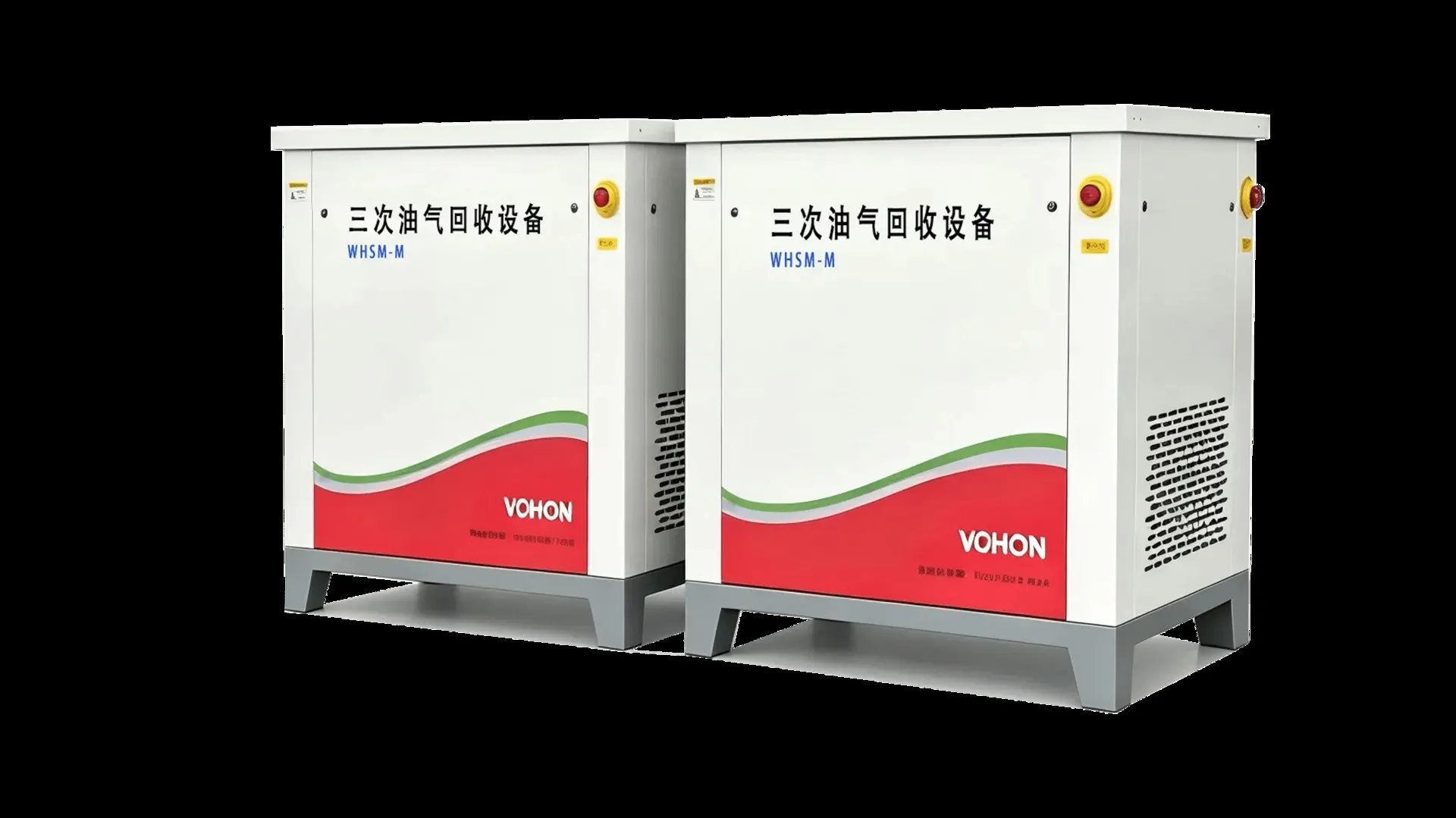
Keeping Liquid Water Out of the Membrane Stage
The membrane tolerates vapor-borne water; it does not tolerate slugs of liquid. That is why the elements upstream of the membrane do the quiet work: the knockout stage removes the bulk liquid from the feed, and the line routing avoids low pockets where condensate can collect and later arrive as a wave. When a station reports moisture-related symptoms at the membrane, the first inspection point is usually not the membrane at all but the drain legs and the knockout stage that were supposed to keep liquid away from it.
A Season-Aware Operating Routine
- Check permeate side drains and their heaters or trace lines before the cold season starts, so condensate never stands still.
- After hot, humid periods, look at the membrane stage differential pressure trend and compare it with the normal band.
- Confirm the upstream knockout stage empties freely; a blocked drain sends its load downstream.
- Keep piping insulation and drip loops intact where the vapor path runs through cold areas.
- Note humidity-related behavior in the unit log so seasonal patterns become visible year over year.
What Operators Actually Observe
In practice the humidity story shows up as seasonal rhythm rather than sudden faults: permeate drains run busier after summer nights, dew forms faster on cold vapor lines, and the first cold snap finds any neglected drain. Stations that treat these as routine maintenance points rather than mysteries keep their membrane stage stable across the year, and the separation performance stays where the design put it.
Frequently Asked Questions
Does humid air damage the membrane?
Water vapor within the design envelope does not harm the membrane. The risk is liquid water reaching it as slugs or standing films, which is an upstream separation and drainage task, not a membrane defect.
Why does the permeate side get busier in humid weather?
Water passes the membrane readily, so a wetter feed means a wetter, more condensable permeate stream with a higher dew point, and its drains and cold spots work harder.
Should the unit be adjusted for seasonal humidity?
The control settings generally stay as commissioned. What changes seasonally is maintenance attention: drains, insulation and knockout stage checks, aligned with the humidity pattern of the site.
Luoyang Wohong Petrochemical Equipment Co., Ltd. builds membrane-based vapor recovery units and supports operators with humidity-aware service routines and spare part guidance.