
Across the industry, operators of aging vapor recovery units are shifting how they decide between repair and replacement. The old reflex, hunt for a part and keep the unit running another season, is meeting a harder reality: discontinued components, scarce second-hand spares, and labor costs that climb with every extra hour of diagnosis. Planned full unit replacement, once considered the expensive option, is increasingly the practical one, and the reasoning behind that shift is worth understanding before your own unit forces the question.
Why Aging Units Become Hard to Keep
A vapor recovery unit is a mechanical system with a defined service life, and as it ages three things happen at once. Wear parts stop being just wear parts: pumps, drives and seals that were once routine swaps now sit on machines whose surrounding components are equally tired, so each repair uncovers the next. Sourcing narrows: original components go out of production, and the secondary market thins year by year. And downtime compounds: an older unit fails more often, each failure takes longer to diagnose, and the station absorbs the disruption every time. Individually these are annoyances; together they describe a unit whose true cost of ownership is quietly rising past its replacement cost.
The Repair Versus Replace Decision
The choice is situational, but the pattern of leanings is recognizable:
| Situation | Leans toward repair | Leans toward replacement |
|---|---|---|
| Component status | One known wear part failed, rest of unit healthy | Multiple systems tired, failures arriving in clusters |
| Spares outlook | Part available from current production | Part discontinued or only from dismantled units |
| Downtime pattern | Isolated event in an otherwise calm year | Recurring events, each with longer diagnosis |
| Site plans | Short remaining horizon for the site | Station being upgraded with years of service ahead |
| Compliance trajectory | Unit still comfortably meets current expectations | Expectations tightening toward performance the old unit cannot reach |
No single row decides the case, but a unit that collects right-hand entries across the table is telling its owner something.
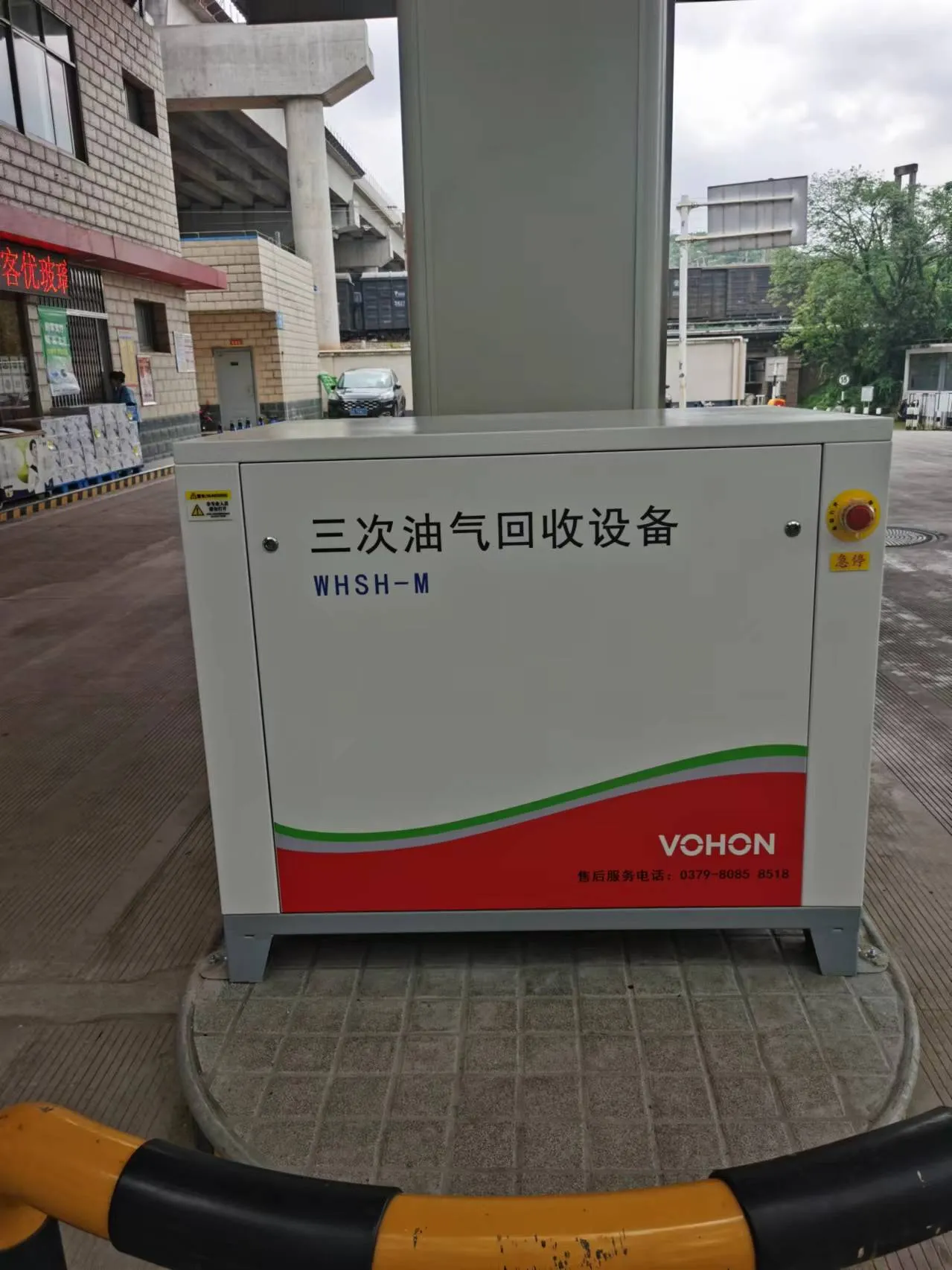
Budget mechanics matter here too. A planned replacement can be argued in a normal budget cycle, with quotes gathered calmly and the swap scheduled between busy seasons. An emergency replacement, forced by a dead unit in peak trade, pays rush premiums on every line: expedited freight, out-of-hours installation and whatever temporary workarounds the station improvises meanwhile. The same hardware, bought the same year, can land at very different total cost depending only on whether the decision was made in time. That gap, rather than the sticker comparison, is where the replacement case is usually won.
What Good Replacement Planning Looks Like
What Good Replacement Planning Looks Like
- Start from service records: list what failed, when, and what each episode actually cost in parts, labor and downtime.
- Check the spares outlook for the unit’s critical components with the supplier, in writing.
- Sketch the replacement path while the old unit still runs: footprint, connections, controls and any site work needed.
- Schedule the swap for a quiet period, not mid-failure, so the station keeps trading throughout.
- Plan the handover documentation for the new unit from day one, so the next aging decision starts with better data than this one did.
A Trend, Not a Rule
This shift is directional, not absolute. A well-maintained unit with available parts and a calm failure history remains a sensible machine to keep. What has changed is the presumption. Where keeping an old unit running was once the obviously frugal choice, the balance now often tips the other way once discontinued spares and repeated downtime enter the arithmetic. Operators who evaluate both paths honestly, with numbers from their own service records rather than habit, end up making the move at the right time, before the unit decides the timing for them.
Frequently Asked Questions
How do I know my unit is approaching this decision?
Watch for cluster failures, longer diagnosis times and parts quotes that arrive with long lead or second-hand caveats. Those three together are the usual early signal.
Does replacement mean changing the whole station layout?
Usually not. Modern units are designed for straightforward integration, and most swaps reuse the existing vapor connections and footprint with modest adaptation confirmed during planning.
Can the old unit be kept as a backup?
Sometimes, if it holds tightness and its spares are known. But a backup unit without assured spares is comfort, not capacity, and the station plan should not depend on it.
Luoyang Wohong Petrochemical Equipment Co., Ltd. supplies new vapor recovery units and membrane separation skids for fuel stations, and supports operators evaluating repair versus replacement for aging equipment.