
Every year the warm months bring the same pattern to fuel retail: ozone control expectations rise with the temperature, inspections concentrate in the same season, and operators who left vapor recovery planning until spring find themselves in a queue. The trend across recent years is clear, with operators moving vapor recovery work earlier in the annual cycle, treating the cool months as the upgrade season and the warm months as the proving season. The shift is less about new rules than about rhythm: everyone now knows when the pressure arrives, so the advantage belongs to whoever prepared before it did.
Why Warm Weather Tightens the Screws on Vapor
Warm conditions are when hydrocarbon vapors form most readily and when photochemical ozone formation peaks, which is why regulators and communities focus on fuel emissions in exactly those months. Storage tanks breathe harder, unloading events release more vapor per delivery, and any weakness in a recovery system becomes more visible in both measurement and smell. A system that coasted through winter can drift into summer with tired seals, a fouled knockout stage or a control quirk, and the season will find it. Planning early is therefore not caution for its own sake; it matches work to when the stakes actually are.
What Moving Earlier Actually Changes
Operators who front-load their vapor recovery work into the cool months run a different playbook, and its steps are simple enough for any network to copy.
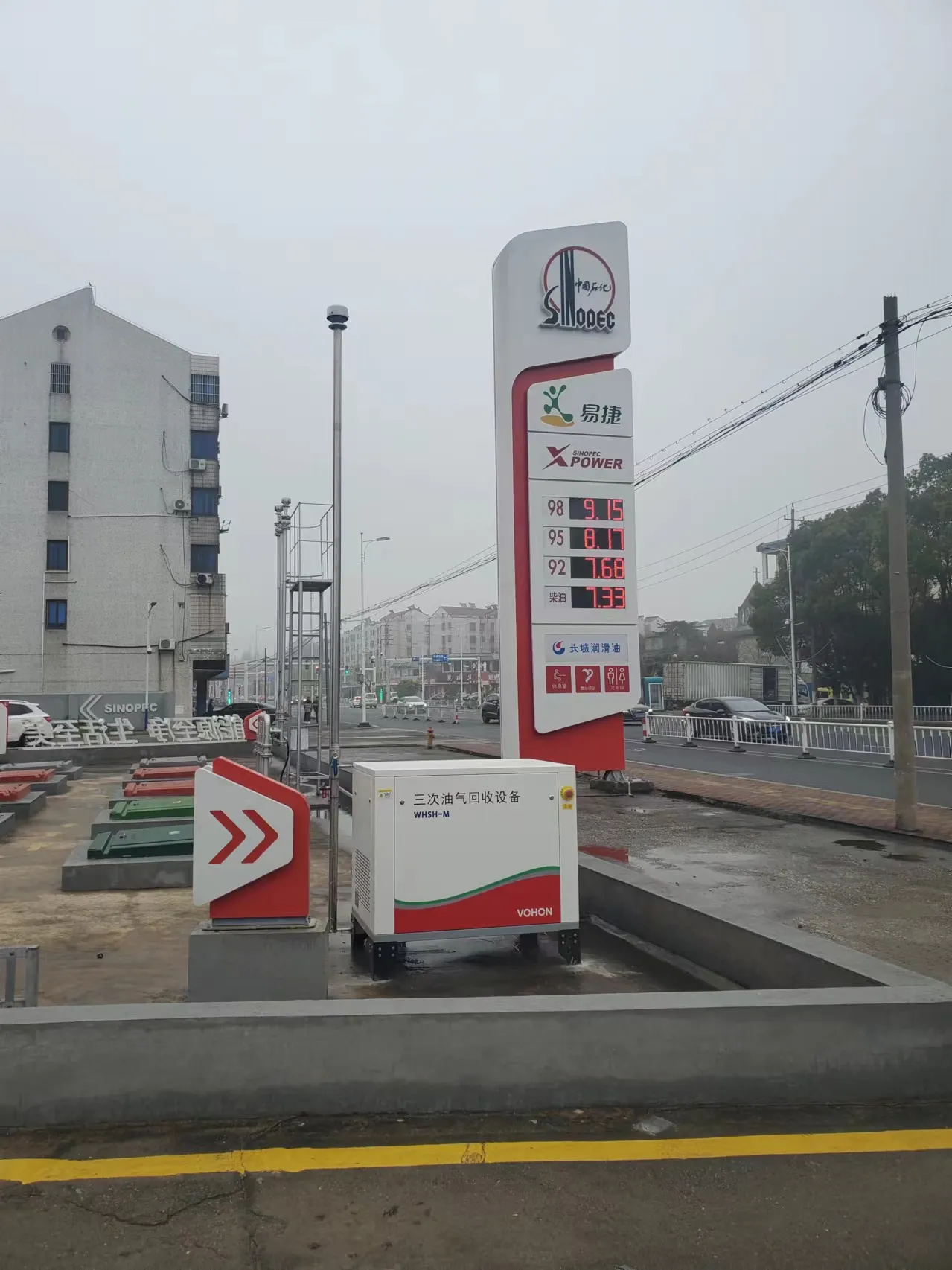
- Audit each site’s vapor recovery condition in autumn, while weather does not compete with the inspection and the crew is available.
- Order parts and book contractors in the off-peak, when lead times are short and schedules are negotiable.
- Complete upgrades, seal replacements and control tuning before the first warm weeks, not during them.
- Use early summer deliveries as the shakedown, watching trends closely while conditions are mild enough to fix things calmly.
- Enter the ozone season with a proven system and a fresh record, which is also what an inspector likes to see.
The Queue Effect Nobody Budgets For
Timing is not only about weather; it is about everyone else. Contractors, parts suppliers and testing services all hit their busiest stretch in late spring, when the operators who waited discover their needs simultaneously. Lead times stretch, prices firm up, and the best crews are booked. The economics of the same upgrade therefore depend on when it was ordered: an autumn order buys calm execution, a late-spring order buys queue anxiety. Networks that run multiple sites feel this hardest, because a delayed contractor ripples across an entire conversion schedule.
Comparing Early and Late Planning
| Factor | Autumn and winter planning | Late spring scrambling |
|---|---|---|
| Contractor availability | Open schedules, chosen dates | Queues, waiting lists, rushed slots |
| Parts lead time | Short, standard items in stock | Stretched, special orders compete |
| Work conditions | Cool weather, calm sites | Peak trading, heat, tight windows |
| Season readiness | Proven system before the pressure | First run happens during the pressure |
What Inspectors and Communities Notice
An inspection visit in the warm season asks an implicit question: did this operator treat vapor control as a year-round duty or a seasonal scramble? A unit with recent service records, a clean tightness history and current logs answers it before a word is spoken. Communities notice through their noses long before any formal measurement, and odor complaints in warm weather carry more weight precisely because the season makes them credible. Operators who upgrade early collect goodwill in both directions, from the regulator’s file and the neighborhood’s impression, without spending anything beyond attention.
Building the Rhythm Into the Network Calendar
The final step is making the early rhythm permanent rather than heroic. A network calendar that schedules vapor recovery audits in autumn, upgrade execution through winter and readiness reviews in early spring turns a good intention into a routine that survives staff changes. Individual sites can adopt the same cycle with a wall planner. The ozone season is not getting shorter or gentler; it is simply becoming a known event with a known date, and known events reward preparation. The operators who plan early are not more diligent than their peers, only better organized, and that is a habit any station can buy into.
When should vapor recovery upgrades be scheduled?
Cool months suit the work best, with audits in autumn and execution through winter. Sites that finish before the first warm weeks enter the ozone season with a proven system instead of a new one still finding its feet.
Does warm weather really change vapor recovery loads?
Yes. Tanks breathe harder, unloading releases more vapor, and borderline components show their age. The same system that managed in winter can drift in summer, which is why pre-season service matters.
What records help most during a warm-season inspection?
Recent service notes, tightness test results and a continuous operating history. Together they show the system was maintained before the season, which is the substance behind every good inspection outcome.
Luoyang Wohong Petrochemical Equipment Co., Ltd. supplies vapor recovery units for fuel stations and works with operators on seasonal upgrade planning and readiness.