
Short answer: the three stages are named after the three moments when gasoline vapor would otherwise escape a station. Stage I handles the vapor pushed out of storage tanks during tanker deliveries, Stage II captures the vapor displaced from vehicle tanks at the dispenser, and Stage III is the processing step, where a stage iii vapor recovery unit takes the vapor that remains in the tank vent path and turns it back into liquid gasoline instead of releasing it. The stages are not rivals or alternatives; they are a relay, and each one covers an escape moment the previous one cannot reach. This article walks through each stage, the hardware it involves, and how the three cooperate.
Three stages, three moments where vapor escapes
The numbering is easier to remember once you see that it follows the physical journey of a liter of fuel. The biggest single vapor event at any station is the delivery: a tanker drops thousands of liters into an underground tank and displaces an almost equal volume of hydrocarbon rich vapor out of the tank headspace. The next event happens many times a day: every vehicle tank filled at the dispenser pushes its own volume of vapor back up the fill neck. And between those events, the tanks breathe continuously as temperature swings and pressure changes push vapor out of the vent. Each moment needs its own capture mechanism, and that is what the three stages are.
Stage I: taming the delivery
Stage I is the agreement between the tanker and the tank, and it is the oldest and simplest layer of control. A vapor tight delivery connection lets fuel flow down into the storage tank while the displaced vapor flows up into the tanker compartment, riding back to the terminal instead of venting into the neighborhood. The hardware is straightforward: a vapor tight adaptor on the tank, compatible delivery hoses and fittings, and discipline in making the connection before any fuel moves. A delivery handled under Stage I sends that vapor back to the terminal instead of into the neighborhood, which is why this stage was regulated first nearly everywhere vapor control exists.
Stage II: capturing vapor at the nozzle
Stage II moves the same idea down to the forecourt. As fuel flows into a vehicle tank, an equal volume of vapor has to leave it, and a balanced Stage II system sends that vapor back through a return path in the nozzle and hose into the storage tank, keeping the station loop closed at the pump. The hardware lives at the point of sale: vapor balanced nozzles, coaxial or paired hoses, and hanging hardware kept in honest condition, because a cracked hose or a lazy breakaway quietly ends the balance. Stage II also involves daily operations more than the others, since it is flexed and dropped hundreds of times a week.
Stage III: processing the tank vent
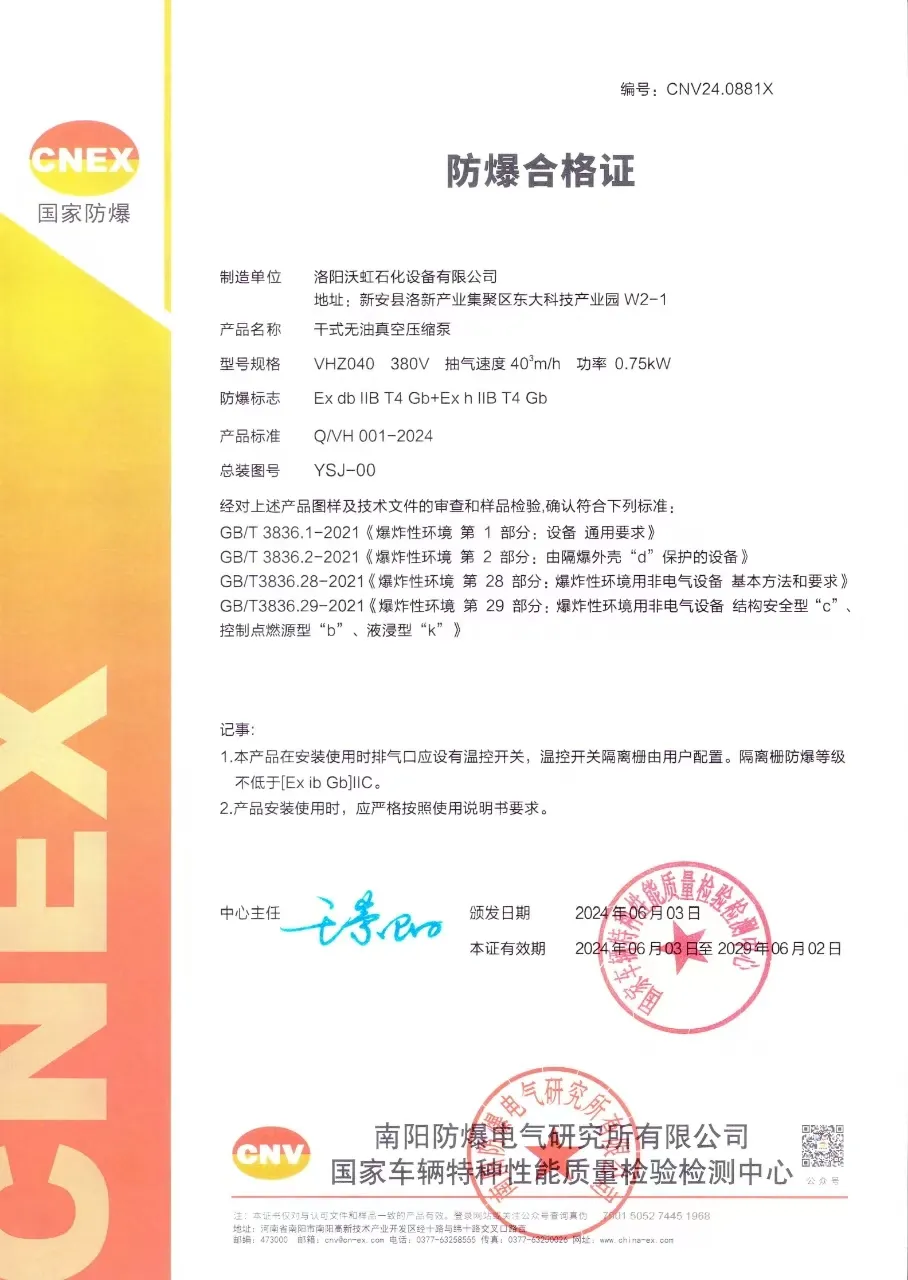
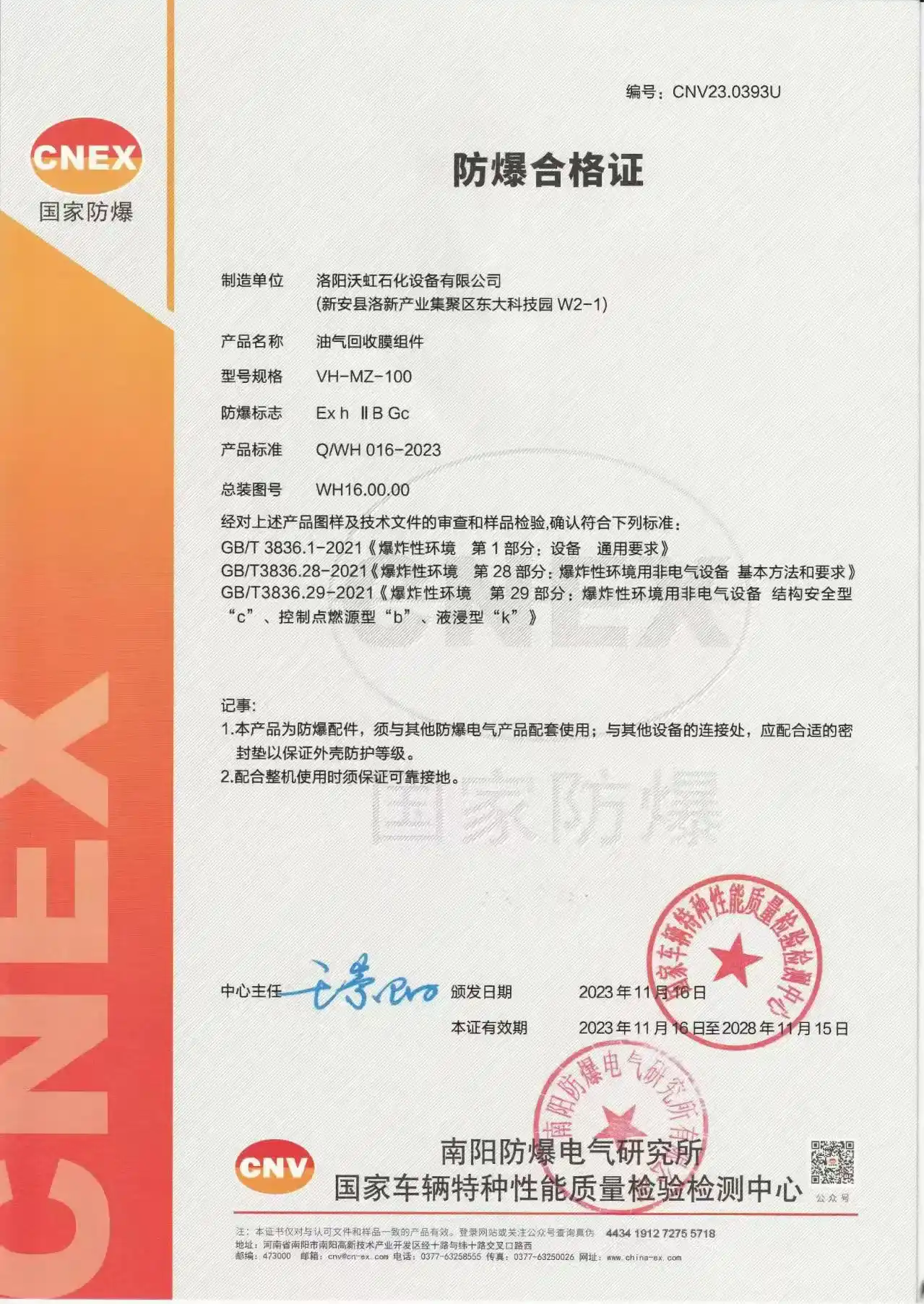
Stages I and II both move vapor around by displacement, but neither one processes it, and the tank vent path still breathes with every temperature swing, every pressure excursion and every partial delivery. That is the gap Stage III closes. A stage iii vapor recovery unit sits on the vent line and processes the tank vent vapor on demand, separating hydrocarbons from air and returning recovered gasoline to the tank, so the vent emits cleaned air instead of raw vapor. This is also the stage where technology choices appear, because the processing can be done by membranes, condensation, adsorption or combinations, and the right choice depends on the stream, the duty and the site. The Stage III processing systems overview covers how those technology routes differ in practice.
The three stages side by side
The differences are easiest to hold in one view, and the table below is the version worth keeping for planning conversations:
| Aspect | Stage I | Stage II | Stage III |
|---|---|---|---|
| Vapor moment | Tanker delivery into storage tanks | Vehicle refueling at the dispenser | Tank vent breathing between events |
| Hardware focus | Vapor tight delivery adaptors and hoses | Balanced nozzles, hoses and hanging hardware | Processing unit on the vent line |
| What happens to vapor | Returned to the terminal in the tanker | Returned to the storage tank in a loop | Processed and recovered as liquid fuel |
| Who works it daily | The delivery driver | Every customer and the forecourt crew | Automated, watched through monitoring |
| Main failure mode | Vapor path not made or not sealed | Worn or damaged hanging hardware | Skipped maintenance and fouled stages |
How the three stages work together
The relay is the point. A station with Stage II but no Stage I loses its captured vapor story every time a tanker connects; a station with Stage I and II still vents raw vapor between events, which is exactly the fraction Stage III was invented to close. Mature programs layer the stages over time for exactly this reason: deliveries first, dispensers next, onboard vent processing as the tightening step. For a site operator, the practical meaning is that the stages are a single containment promise, and the weakest stage sets the strength of the whole chain. A site planning equipment should read its own vent path honestly and ask which moment is still uncovered. The rules and mandate timing behind that layering are covered in the compliance guide.
What the division means when you buy equipment
Keeping the stages straight also keeps procurement honest. Stage I and II purchases are about capture hardware, and the quality question is fit, compatibility and upkeep. Stage III is a processing purchase, and the quality question is entirely different: how the unit handles your actual vapor stream, what it recovers, what it emits, how it is monitored and what its maintenance rhythm asks of your crew. Confusing the categories leads to quotes that look similar and are not. A vent processing unit and a nozzle are both vapor equipment, but they are not siblings, and treating them as such at purchase time is how sites end up with hardware that answers a question nobody asked. The checklist that keeps the categories honest is short enough to run in one meeting:
- Name the stage explicitly on every line item, so a vent processing quote never gets compared against a nozzle quote as if they were alternatives;
- For Stage I and II purchases, confirm compatibility with the existing delivery and hanging hardware, because capture layers only work as a sealed chain;
- For Stage III, insist the sizing conversation starts from the measured vent stream and duty, not from a nominal site size;
- Ask each supplier what the recovered product and the cleaned outlet look like on your stream, in numbers rather than adjectives;
- Close every stage purchase with its maintenance plan and monitoring points, because each layer ages differently and the weakest one defines the site.
Frequently asked questions
Does Stage III replace Stage II?
No, and the confusion is common. Stage II captures vapor at the dispenser and returns it to the tank; Stage III processes the vapor that the tank vent still releases. The stages answer different escape moments, so the question for any site is which moments remain uncovered, not which stage can be swapped for another.
Do all countries require all three stages?
No, the layering varies by market, and newer programs frequently adopt processing earlier in their growth than the older ones did. Some regions control deliveries and dispensers for years before requiring vent processing, while others move straight to onboard processing on high throughput sites. The local program calendar decides, and that is a document lookup rather than a general answer.
Which stage matters most for odor near the station?
Odor complaints usually trace to the moments that are not captured, which is why an uncontrolled tank vent and a sloppy delivery connection are the two suspects worth checking first. Stations that close all three stages rarely make the complaint list, and when they do, the cause is usually a maintenance item rather than a missing stage, which is the better problem to have.
Vapor control at the tank is only half the containment story, and the composite piping systems from the sister line keep the liquid and vapor paths tight from tank to dispenser in between.
Luoyang Wohong Petrochemical Equipment Co., Ltd. builds vapor recovery and membrane separation packages for fuel terminals, depots and gas stations. Contact us for system sizing, configuration advice and spare parts support.