
A vapor recovery unit can be running perfectly and the unloading bay can still carry a faint fuel smell during a delivery. That alone is not an emergency; moving hydrocarbons smell, and a dry disconnect always releases a trace. But there is a line between a trace that disperses and an odor that lingers or grows, and the crew that knows where vapor escapes from can tell the difference within one loading cycle.
Normal odor and a real problem
Normal traces come from known moments: the disconnect at the end of unloading, hose drainage, and the first seconds while connections seat. These smells are brief, localized at the coupling and gone with a light breeze. A problem smells different. It lingers after the connection is made, it grows through the loading run, and it appears away from the couplings, along the line or at the equipment itself. The nose is a legitimate instrument here; it just needs a map to read against.
Where vapor actually escapes
| Leak path | How it smells | What to check |
|---|---|---|
| Worn vapor hose or loose clamps | Odor strongest along the hose run | Walk the hose with hand and nose; look for soft spots |
| Dry break coupling seats | Puff at connect and disconnect only | Accept brief traces; investigate if it continues while seated |
| Adaptor or flange gaskets | Steady smell at one fixed point | Inspect gasket faces; retighten or replace at next window |
| Saturated vapor return, unit at limit | General bay odor during peak flow | Check unit readouts; compare against earlier deliveries |
| Condensate drain left open | Smell near the skid, not the bay | Close and inspect the drain between deliveries |
Sorting the causes within one cycle
The diagnosis does not need instruments to start, only attention paid in the right order. A crew can work through the likely paths during a single delivery:
- Stand at the coupling during the first minutes and decide whether the smell is a puff or a stream;
- Walk the full hose run and mark any point where odor strengthens;
- Compare the unit readouts against a normal delivery, watching recovery flow and vacuum behavior;
- Check the skid area and drains separately, since some smells migrate from there;
- Log the delivery, the weather and the finding, because repeatable patterns point to fixed causes.
When the answer is the weather
Some days simply amplify what was always there. Still air, high humidity or a bay hemmed in by buildings holds traces that a windy day carries away, and a unit in perfect health gets blamed for it. This is why the log matters. A bay that smells on still mornings and clears on breezy afternoons is describing the air, not the equipment. A bay that smells the same in every weather is describing a leak that deserves a service visit before it matures.
When to call the service team
Two findings justify a call without hesitation: odor that continues steadily with couplings seated, and any smell that comes with a readout drifting away from its normal range. Both point to a leak or a capacity issue that will not fix itself. Between visits, replacing worn hose sections and gaskets at the first sign of softness keeps the small paths closed, and keeps the everyday trace of a working system exactly that, everyday and small.
Frequently asked questions
Is a slight fuel smell during unloading dangerous?
A brief trace at connect and disconnect is ordinary in vapor balanced loading, and systems are designed around it. What deserves attention is odor that persists while connections are made, concentrates in one spot or grows over successive deliveries. Those are signals of a leak path, not of normal operation.
Can weather make the smell worse without any fault?
Yes. Still, humid air holds vapor traces near the ground instead of dispersing them, so the same healthy system can smell stronger on a calm morning. Checking conditions against the log separates weather effects from equipment effects quickly.
How often should vapor hoses be inspected?
A visual and tactile walk of the hose run at every delivery catches most issues early, with a closer inspection at each service interval. Hoses that have been driven over, kinked or dragged across concrete are replaced rather than argued about, because they are the most common escape path in the whole chain.
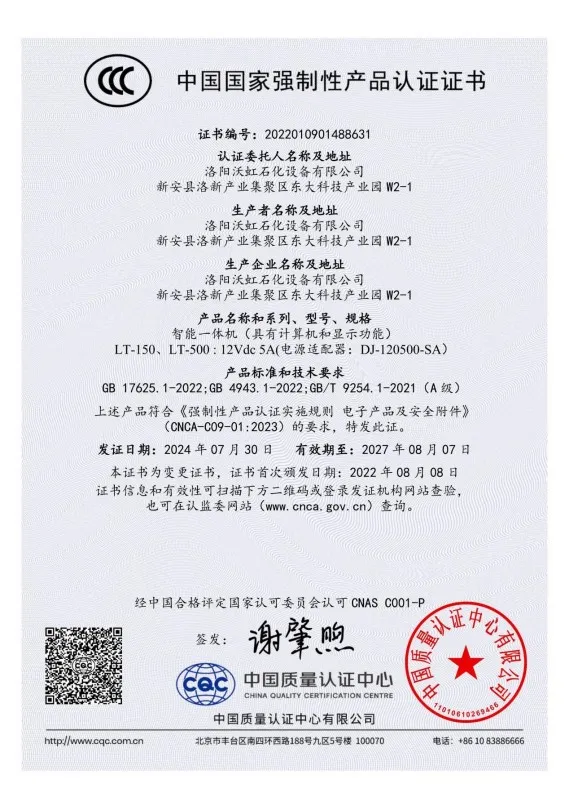
Luoyang Wohong Petrochemical Equipment Co., Ltd. builds vapor recovery and membrane separation packages for fuel terminals, depots and gas stations. Contact us for system sizing, configuration advice and spare parts support.