
Fuel lost to vapor is easy to overlook because it never shows up as a liquid spill. In a typical service station, Stage I vapor recovery handles deliveries by returning displaced vapor to the tanker, Stage II captures vapor displaced from vehicle tanks during refueling, and Stage III – a vapor recovery unit (VRU) – processes what the first two stages let escape, together with storage tank breathing losses. Understanding where each stage acts makes it clear why a Stage III unit is what turns the remaining emissions back into recoverable product.
Stage I: Delivery Balancing
When a tanker unloads into an underground storage tank, displaced vapor flows back into the tanker compartment through the vapor return hose. This “two-point” balanced delivery keeps most of the transfer closed, but depends heavily on tight connections and proper drop-tube submersion.
Stage II: Refueling Capture
During refueling, vapor pushed out of the vehicle tank is drawn back through the dispenser vapor return path into the storage tank. Coaxial or side-mounted vapor return hardware, dispenser vacuum settings, and vehicle compatibility all influence how much vapor actually returns.
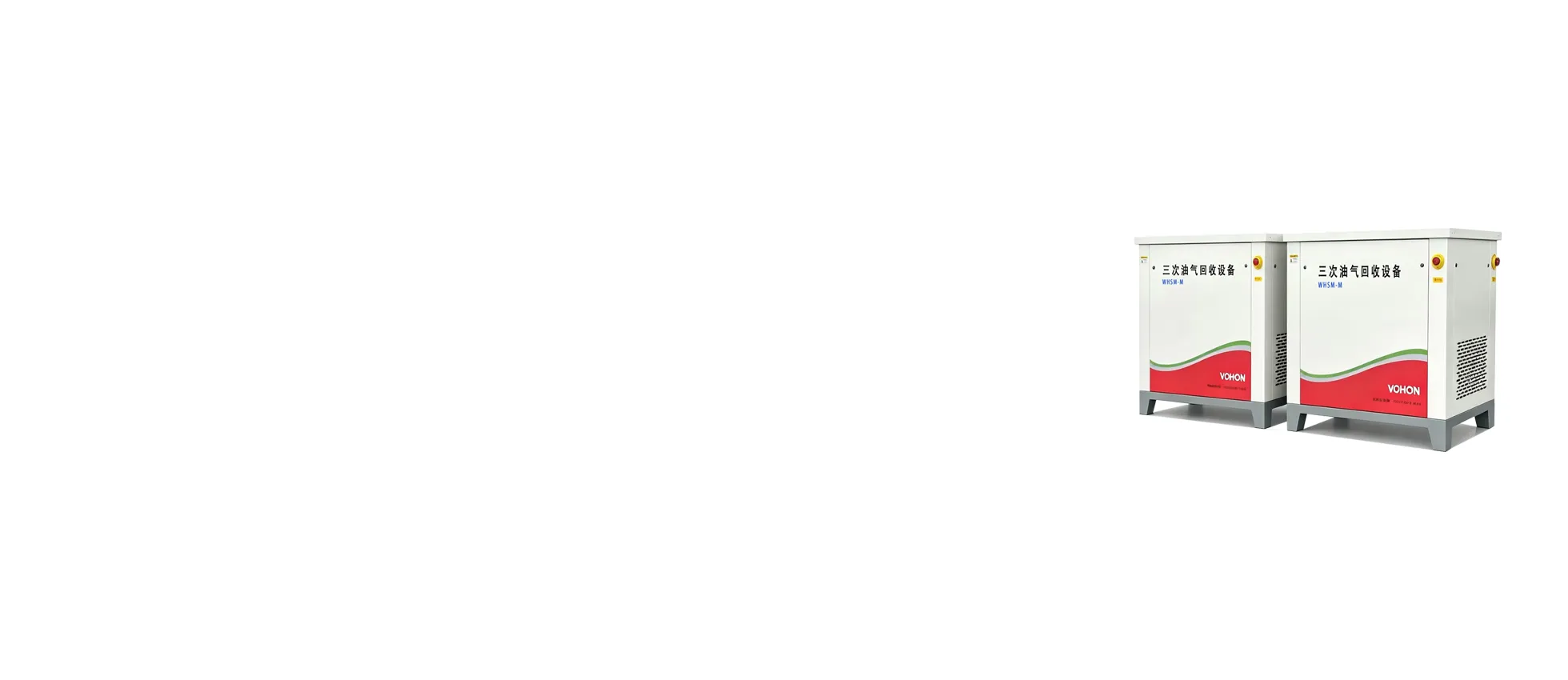
Stage III: The VRU Closes the Loop
Storage tanks still breathe with temperature swings, and neither Stage I nor Stage II is perfectly efficient. A Stage III unit collects the remaining vapor from tank headspace, then processes it – commonly by condensation combined with membrane separation – liquefying hydrocarbons for return to the tank and venting cleaned air. This is where lost vapor becomes recovered fuel.
Where the Losses Happen: Stage Comparison
| Stage | When It Acts | Typical Weak Points |
|---|---|---|
| Stage I | Tanker delivery | Loose vapor couplings, worn drop tubes |
| Stage II | Vehicle refueling | Vacuum drift, damaged vapor boots |
| Stage III | Continuous tank breathing + residuals | Needs maintenance to keep recovery performance |
Frequently Asked Questions
Q: If my station has Stage I and Stage II, is Stage III still necessary?
A: Stage I and II reduce emissions during transfers, but tank breathing losses and imperfect capture remain. A Stage III VRU processes this remaining vapor stream and returns it as liquid product.
Q: Does Stage III recovery pay for itself?
A: Recovered hydrocarbons go back into the tank as sellable fuel. Whether the economics work depends on throughput and local requirements, so it is worth calculating with real station data.
Q: What maintenance does a Stage III unit need?
A: Routine inspection of the vapor collection points, condensing unit, and membrane module, plus periodic performance checks. A structured checklist keeps recovery performance stable.
Luoyang Wohong Petrochemical Equipment Co., Ltd. (Vohon Petrochemical) manufactures Stage III vapor recovery units and membrane separation systems for fuel stations and tank farms.